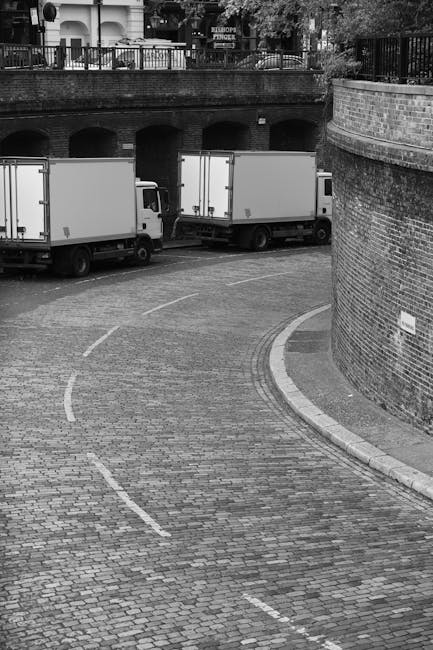
Narrow street removals Hammersmith insider tips for access

If you are planning a move in Hammersmith, you already know the tricky bit is rarely the boxes. It is the access. Narrow streets, parked cars, tight turns, low branches, awkward kerbs, and that one neighbour who has parked just a little too far over can all slow a move to a crawl. This guide to Narrow street removals Hammersmith insider tips for access is written to help you plan smarter, move faster, and avoid the little problems that turn into big delays.
To be fair, most removal headaches on compact London streets are predictable. Once you know what to look for, you can usually stay one step ahead. Below you will find practical advice on route planning, loading strategy, timing, permissions, vehicle choice, and the small real-world details that make narrow street removals much easier in Hammersmith.
Why narrow street removals in Hammersmith matter
Hammersmith has a mix of busy residential roads, side streets, terraces, mansion blocks, and older buildings where access can be far tighter than people expect. That matters because a move is not only about carrying furniture from A to B. It is about getting a vehicle close enough, keeping the route clear, and doing it without causing damage, stress, or delays.
When access is awkward, every part of the job becomes more sensitive. A sofa can snag on a stairwell. A van may need to stop farther away than planned. A fridge might need a two-person carry down a narrow frontage with barely any room to turn. You feel it in the clock and in the knees, frankly.
This is why access planning is worth doing properly. If you ignore it, the move can become a chain reaction of small issues: longer carrying distances, slower loading, extra labour, and a greater chance of scratching walls or blocking traffic. If you plan it well, the whole day feels calmer. And calmer moves are usually cheaper, too.
There is also a trust angle here. Narrow street removals are one of those jobs where customers want to know that the crew has seen this before. They want practical judgement, not guesswork. That is exactly where local awareness helps.
How narrow street removals work
In simple terms, a narrow street removal is a move where vehicle access is limited by width, parking pressure, turning space, or loading constraints. The crew has to work around the street layout rather than assuming a van can pull right up to the door.
The process usually starts before moving day. A good mover will ask about the property type, floor level, access route, nearby parking, and any restrictions on the street. Sometimes the most useful information is not glamorous at all. Is there a gate? Is the entrance on a slope? Can a vehicle wait safely while the team loads? That sort of thing.
On the day, the move is often broken into stages:
- Assess the street and entry point.
- Position the vehicle where it can load safely without creating unnecessary obstruction.
- Carry items in the most efficient sequence, usually larger or fragile items first.
- Use straps, blankets, dollies, or trolleys where appropriate.
- Recheck the route on return trips, because narrow access can change once cars arrive or neighbours come and go.
What looks simple on paper can be messy in real life. A van that seemed perfectly placed at 9:00 can be boxed in by 9:20. That is why experienced crews keep a few backup options in mind.
If you are comparing service types, a smaller vehicle option can be a better fit for this kind of job. The team behind a flexible man and van service or a more robust man with van solution is often better placed for compact roads than a larger rigid vehicle, depending on the load and the street.
Key benefits and practical advantages
Good access planning for narrow streets is not just about avoiding problems. It actually improves the whole move in several ways.
- Less carrying distance: The closer the vehicle can get, the less time is spent walking heavy items up and down the pavement.
- Lower damage risk: Shorter carries and better positioning reduce knocks to furniture, paintwork, and door frames.
- Faster loading: A planned route and loading sequence keeps the crew moving instead of pausing to solve access issues on the spot.
- Better parking decisions: Narrow roads often reward precision. A few metres can make the difference between a smooth job and a blocked one.
- Reduced stress: Once the access plan is clear, the move feels more under control. That matters more than people think.
There is another practical advantage: better forecasting. If you know access is tight, you can decide whether you need help with home moves, more specialist house removalists, or even extra support such as packing and unpacking services to keep everything moving in a sensible order.
In our experience, the best narrow-street moves are the ones where the customer and the crew are both thinking the same way: keep it simple, keep it clear, and do not leave access to chance. Sounds obvious. Still, people forget it all the time.
Who this is for and when it makes sense
This topic matters for anyone moving in or around Hammersmith where roads are tight, parking is competitive, or the property is awkwardly placed. That includes flat moves, terrace houses, short-notice office relocations, furniture collection jobs, and small business deliveries.
It makes especially good sense if you are:
- moving from a terraced street with limited kerbside space
- living on or near a road with constant parking pressure
- dealing with a basement flat, top-floor flat, or awkward entrance
- moving bulky items such as wardrobes, beds, or appliances
- running a small office or commercial move where timing matters
- trying to coordinate a same-day move with minimal disruption
It also makes sense if you are simply trying to avoid the classic London moving-day trap: the van arrives, the street looks tighter than expected, and nobody has a clear plan for where anything should go. That is the moment access planning stops being theory.
If you need a broader moving solution, it can help to compare a standard moving truck with a smaller, more manoeuvrable setup, or look at removal truck hire when you know volume and access need a more structured arrangement.
Step-by-step guidance
Here is the part that saves time. If you work through the move in a sensible order, narrow streets become much less intimidating.
1. Measure the access, not just the rooms
People tend to measure furniture and forget the route. Measure door widths, stair turns, hallway bottlenecks, gate openings, and any awkward corners. If you are moving large wardrobes or a sofa, you need to know whether they can be angled safely through the property before they ever reach the van.
2. Check the street at the time you will move
Access can look fine on a quiet Tuesday afternoon and then feel impossible at 8:00 on a weekday morning. Parking patterns, school runs, deliveries, and bin lorries all change the picture. If possible, look at the street during the actual moving window.
3. Identify the safest loading point
The closest point is not always the best point. You want a place where the vehicle can load without blocking a junction, sitting on a bend, or forcing the crew to carry items through moving traffic. A slightly longer carry can be better than a risky stop.
4. Pack by access priority
For narrow street removals, the order of packing matters. Put the items you need first near the exit, and keep essentials clearly labelled. That way the crew does not have to rummage in the van looking for the kettle while everyone is standing on the pavement. Nobody enjoys that scene.
5. Protect both sides of the move
Use blankets, covers, and proper lifting methods. Narrow spaces often mean more contact points: walls, banisters, door handles, corners. Protection is not just for the furniture. It is for the property and your nerves too.
6. Keep one person in charge of decisions
One clear point of contact is gold on a tight street. If everyone is making small decisions separately, the job slows down. A single person can confirm parking, route changes, access notes, and what should be loaded next.
7. Build in a bit of slack
Truth be told, narrow street moves rarely run perfectly to the minute. Give yourself buffer time. A few spare minutes can absorb a parking shuffle or a last-minute neighbour's car without creating panic.
Expert tips for better results
Here are the little things that experienced movers think about automatically. They are not glamorous, but they matter a lot.
- Use smaller vehicles when the street is genuinely tight: A compact vehicle can be easier to position and less likely to create obstruction.
- Pre-label items by room and priority: It helps the crew load and unload in the right sequence without backtracking.
- Keep the pavement clear: Loose bags, mats, plant pots, and bikes can turn a narrow front into a bottleneck very quickly.
- Plan for rain: London weather. Enough said. Wet pavements slow carrying and increase slipping risk, so keep coverings ready.
- Reserve a parking position where possible: Even if formal arrangements are not needed, thinking through the parking strategy early is wise.
- Separate fragile items: Fragile boxes should be easy to identify so they are handled with extra care and do not end up under heavier loads.
One slightly overlooked tip: speak to neighbours if the move will affect shared access. A quick heads-up often prevents unnecessary tension. People are usually more understanding when they know what is happening, and when.
If your move includes furniture collection or unwanted items, it can also help to arrange a separate furniture pick up so the removal load stays focused on what you actually need.
And if you are clearing out bulky waste too, think carefully about disposal routes in advance. For some jobs, the better fit may be services like mattress and sofa disposal or fridge and appliance removal, rather than trying to squeeze everything into one very hectic morning.
Common mistakes to avoid
Narrow access exposes the mistakes that might stay hidden on an easier job. These are the ones that crop up most often.
- Assuming the van can park at the door. It sounds basic, but this is the biggest planning error by a mile.
- Forgetting about the return trip. The loading point may be free at the start and blocked later. Always think ahead.
- Leaving large items assembled. Some furniture simply moves better when partially dismantled.
- Ignoring stair turns and landings. The building route matters as much as the street.
- Trying to do too much at once. If access is awkward, splitting the move into sensible stages is often the safer choice.
- Not flagging hazards in advance. Slopes, loose paving, low branches, and difficult entrances should be mentioned before moving day.
Another common issue is underestimating how long repeated short carries take. You might think, "It's only across the road." But ten trips across a narrow pavement, with traffic and awkward angles, is very different from one clean walk from van to door. Very different.
Tools, resources and recommendations
You do not need a warehouse full of equipment to manage a narrow street move. But a few practical tools make life easier.
- Measuring tape: Useful for doors, halls, and awkward furniture.
- Furniture blankets and covers: Help protect corners, upholstery, and wood finishes.
- Straps and trolleys: Reduce strain and improve control on heavier items.
- Clear labels: Keep boxes and room groups easy to identify.
- Good lighting: Especially helpful for early morning or late-day moves in winter.
From a service standpoint, it helps to choose a mover whose offer matches the size and complexity of the job. A smaller local move may work well with a flexible man and van option, while a larger domestic move may need a fuller service such as home moves or office relocation services.
If you are comparing costs, do not just compare the headline price. Ask what is included, how access issues are handled, and whether the quote assumes easy parking. A cheaper quote that falls apart on a narrow street is not really cheaper. It is just optimistic.
Useful background information is also available on pricing and quotes, along with service standards and practical information in the company's insurance and safety pages.
Law, compliance, standards and best practice
For any move in London, including narrow street removals in Hammersmith, the safest approach is to treat parking, loading, and access control seriously. Exact rules can vary by location and situation, so it is sensible to check local requirements and, where needed, arrange permissions in advance rather than making assumptions.
Best practice usually means:
- not blocking emergency access
- keeping pavements and entrances as clear as possible
- using safe lifting methods
- staying within agreed parking arrangements
- handling fragile, electrical, and waste items properly
If your move includes disposal of unwanted items, you should be careful with what goes where. Some waste streams need separate handling, and some items should not be mixed in with ordinary household rubbish. For example, hazardous materials and certain appliances need proper attention. That is one reason many customers prefer a provider that also offers hazardous waste disposal guidance and sensible recycling options.
For larger clear-outs, it can also help to understand the difference between removal services and skip-style thinking. The page on what can go in a skip is useful for anyone trying to separate legitimate waste from items that need special handling. And yes, it is better to check than to guess.
On the wider business side, trustworthy moving firms also tend to be transparent about policies, security, and complaints handling. That is not fluff. It is part of what gives a customer confidence before the van even arrives.
Options, methods and comparison table
Different narrow street moves call for different approaches. Here is a simple comparison to help you decide what suits your situation best.
| Approach | Best for | Strengths | Limitations |
|---|---|---|---|
| Small van or man and van | Compact loads, tight roads, fast local jobs | Easier to manoeuvre, often simpler to park, practical for access-limited streets | Less capacity for larger households or bulky commercial loads |
| Full removal vehicle | Larger domestic or business moves | More carrying capacity, better for structured multi-item relocations | Harder to position on narrow roads; may need more planning |
| Split move | Extremely tight access or mixed property layouts | Reduces congestion, lets you prioritise essential items first | Can take longer and needs more coordination |
| Professional packing support | Fragile or time-sensitive moves | Speeds loading, reduces breakage, improves order | Extra cost, though often worth it for complex access |
There is no single right answer. A tiny flat on a narrow road may be perfect for a nimble crew. A growing family with more furniture might need a broader service and a more careful staging plan. The trick is matching the method to the street, not the other way round.
Case study or real-world example
Here is a realistic example, based on the sort of job that comes up often in Hammersmith.
A customer moving from a top-floor flat on a residential street had a large wardrobe, a bed frame, several boxes of books, and a few kitchen appliances. The street looked manageable at first glance, but the parked cars left only a slim corridor for loading. The front entrance also sat near a slight slope, which made heavy lifting feel trickier than expected.
Instead of forcing a larger vehicle into a poor position, the move was handled with a smaller, more agile loading plan. The most awkward items were taken down first while the route was still clear. The boxes were grouped so that the heaviest ones went closest to the van floor, and the appliances were separated for safer handling. The result was not flashy, just efficient. That is usually how the good jobs go.
The customer had expected the moving day to be chaotic. It was not. There were a few pauses, a bit of careful repositioning, and one very narrow turn by the doorway that got everyone's attention for a second. But the move stayed controlled because access had been thought through early. That really is the lesson.
If the same move had included office equipment or confidential files, the planning would have looked slightly different again, perhaps involving confidential shredding or a more office-focused service route. The point is that access planning and item planning go hand in hand.
Practical checklist
Use this checklist before moving day. It is simple, but it catches a lot.
- Check the street width and note any pinch points.
- Look at parking conditions at the actual moving time.
- Measure bulky furniture and doorways.
- Identify the best loading/unloading point.
- Confirm whether any permissions or parking arrangements are needed.
- Label boxes by room and priority.
- Set aside fragile items and valuables.
- Clear the hallway, entrance, and pavement clutter.
- Prepare coverings for rain or wet floors.
- Tell the mover about slopes, gates, low trees, or awkward access.
- Have one person available to make quick decisions on the day.
- Build in a little extra time, because narrow streets like to surprise people.
Quick expert summary: narrow street removals go best when you treat access as part of the job, not a side issue. Measure properly, choose the right vehicle, load in the right order, and keep communication clear. Do that, and most of the stress simply fades away.
Get a free quote today and see how much you can save.
Conclusion
Narrow street removals in Hammersmith do not have to be a nightmare. They just need more forethought than an easy driveway move. Once you think about street width, parking, carry distance, and item order, the whole process becomes far more manageable.
The best insider tip? Do the boring planning early. Measure things. Check the street. Talk to the mover. Keep the route clear. It is not glamorous, but it works. And when moving day arrives, that quiet bit of planning is what keeps the job steady when the street gets busy and the clock starts ticking.
If you want a move that feels calm instead of chaotic, focus on access first. Everything else tends to follow.
Frequently Asked Questions
What makes narrow street removals in Hammersmith different from a normal move?
The main difference is access. On a narrow street, the vehicle may not be able to park right outside the property, so the crew has to plan parking, loading distance, and carrying routes much more carefully.
How do I know if my street is too narrow for a removal van?
Look at the street during the actual moving time, not just when it is quiet. If parked cars, bends, or tight kerbs leave very little room to stop safely, it is probably worth discussing a smaller vehicle or a revised loading plan.
Should I choose a man and van service for a narrow street move?
Often, yes, especially for smaller loads or local moves. A more compact vehicle can be easier to position on tight roads, but the best choice depends on how much you are moving and how awkward the access really is.
Do I need to dismantle furniture before moving day?
If the furniture is large, heavy, or hard to turn in narrow spaces, dismantling it can make a huge difference. Wardrobes, bed frames, and some tables are often easier to move in parts.
What should I tell the mover before the job?
Give them the property type, floor level, street conditions, nearby parking pressure, gates, slopes, and anything else that might affect access. The more accurate the information, the better the plan.
Is it better to move early in the morning?
Sometimes. Early starts can mean less traffic and easier parking, although every street is different. On some roads, school run traffic or bin collections can actually make early access more difficult, so timing should be checked carefully.
How can I protect walls and furniture on a tight staircase?
Use blankets, covers, and careful handling. It also helps to clear the route beforehand and avoid rushing turns. Most damage on narrow access routes happens when people try to squeeze too fast.
What if a neighbour's car is blocking the loading space?
That is one of the classic narrow-street problems. A good plan always has a backup option, such as a different stopping point or a short delay while the space clears. Sometimes the sensible move is simply to wait a few minutes.
Can narrow street removals also work for office moves?
Yes. Small office relocations often happen in streets with poor loading access, so the same planning principles apply. For larger business moves, a more structured service such as commercial moves or office relocation services may be more suitable.
How do I keep costs under control on a difficult access move?
Get the access details right from the start, choose the right vehicle size, and avoid last-minute surprises. Clear preparation usually saves more money than trying to fix access issues on the day.
What happens if I also need disposal of unwanted items?
It is best to plan that separately so the removal load stays organised. Depending on the items, you may need furniture pick-up, appliance removal, mattress disposal, or recycling guidance. Sorting this in advance keeps the move much tidier.
How far in advance should I book a narrow street move?
As early as you can, especially if your street is busy or access is likely to be awkward. Early booking gives everyone time to plan the route properly and reduces the chance of rushed decisions later.
Where can I learn more about the company's approach to safety and payments?
It is sensible to review the company's health and safety policy and payment and security information before booking. That way you know what to expect, which is always reassuring.